
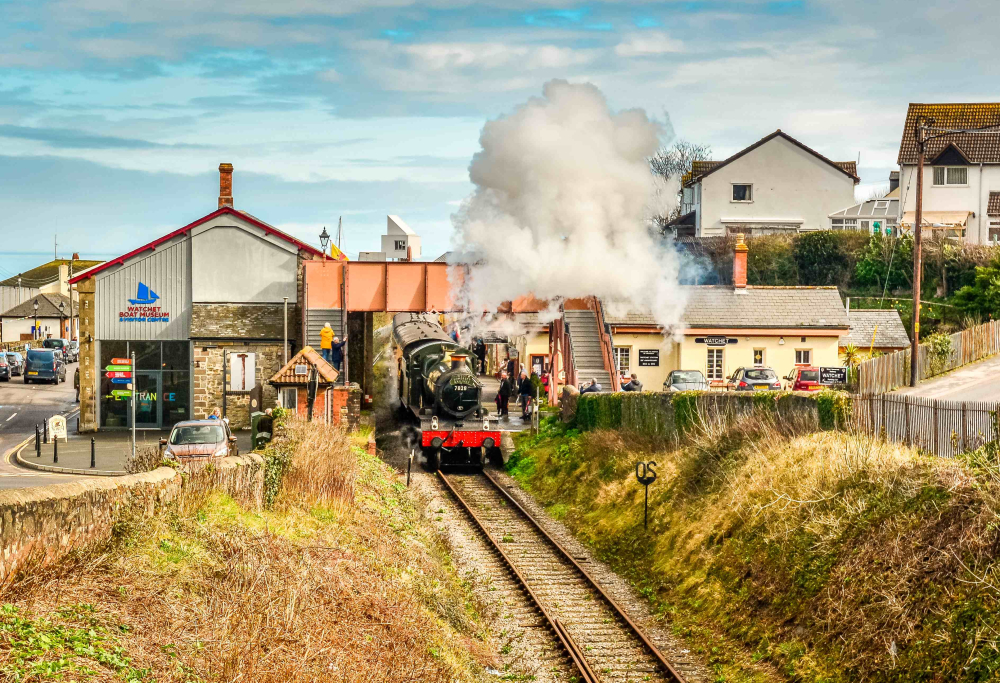
Almost exactly halfway along the 80 minute journey between Bishops Lydeard and Minehead (timewise), Watchet allows Day Rover passengers a convenient break and a chance to glimpse one of Somerset’s hidden gems before continuing on to one of the other wonderful stations. Watchet Station is right in the heart of the town, a short distance from its marina, esplanade, cafés, pubs, shops, museums and art galleries. The WSR line bisects Watchet town: to the east is the main residential area, to the west is the town with all its visitor attractions.
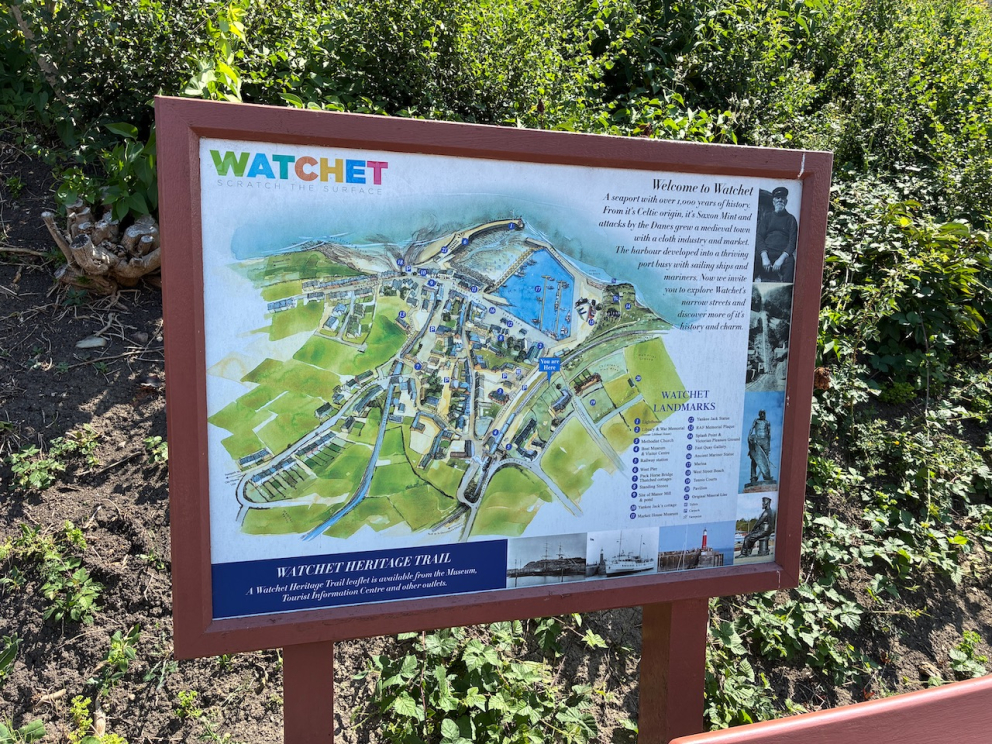
Turning right on disembarking from your train, a footbridge links the station to the main street, Swain Street, with its quirky antique and gift shops, pubs and cafés, leading down towards the harbour. For step-free access to the town, passengers can turn left when disembarking trains, heading north towards the harbour, then turn left again at the end of the platform, crossing the railway line to reach the Esplanade, the seafaring heart of Watchet. The station platform is effectively the south-east side of a triangle formed by the harbour Esplanade to the north and Swain Street to the south-west. For passengers requiring mobility access to their train, please ask at the booking office or any of the platform staff: they will assist in placing you at the guard’s van where a ramp is available.
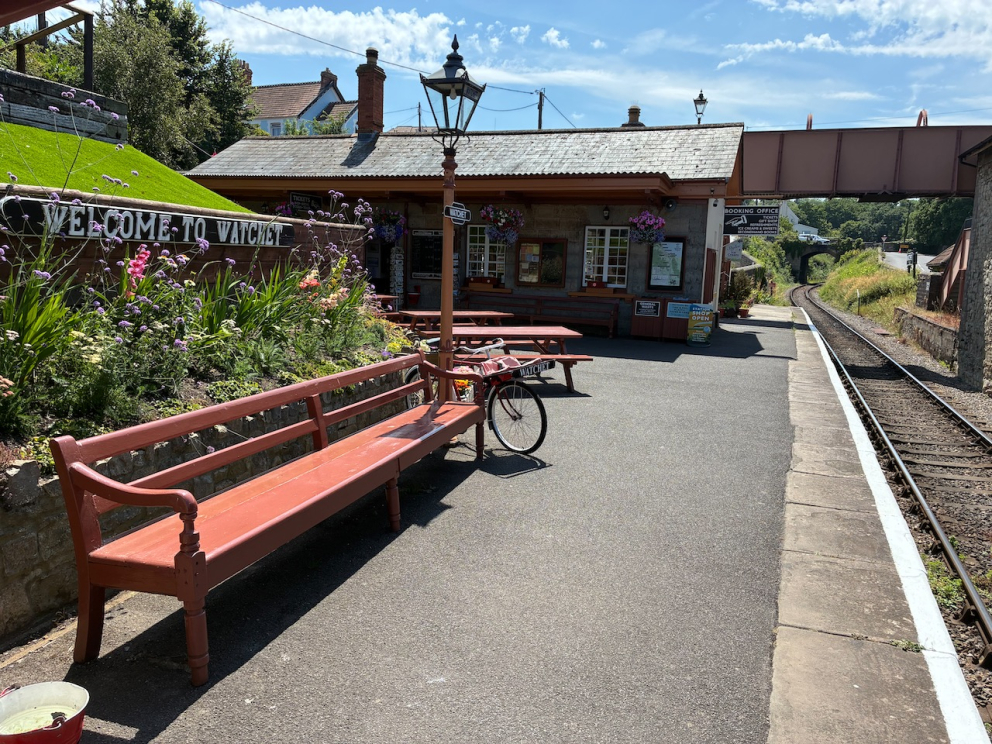
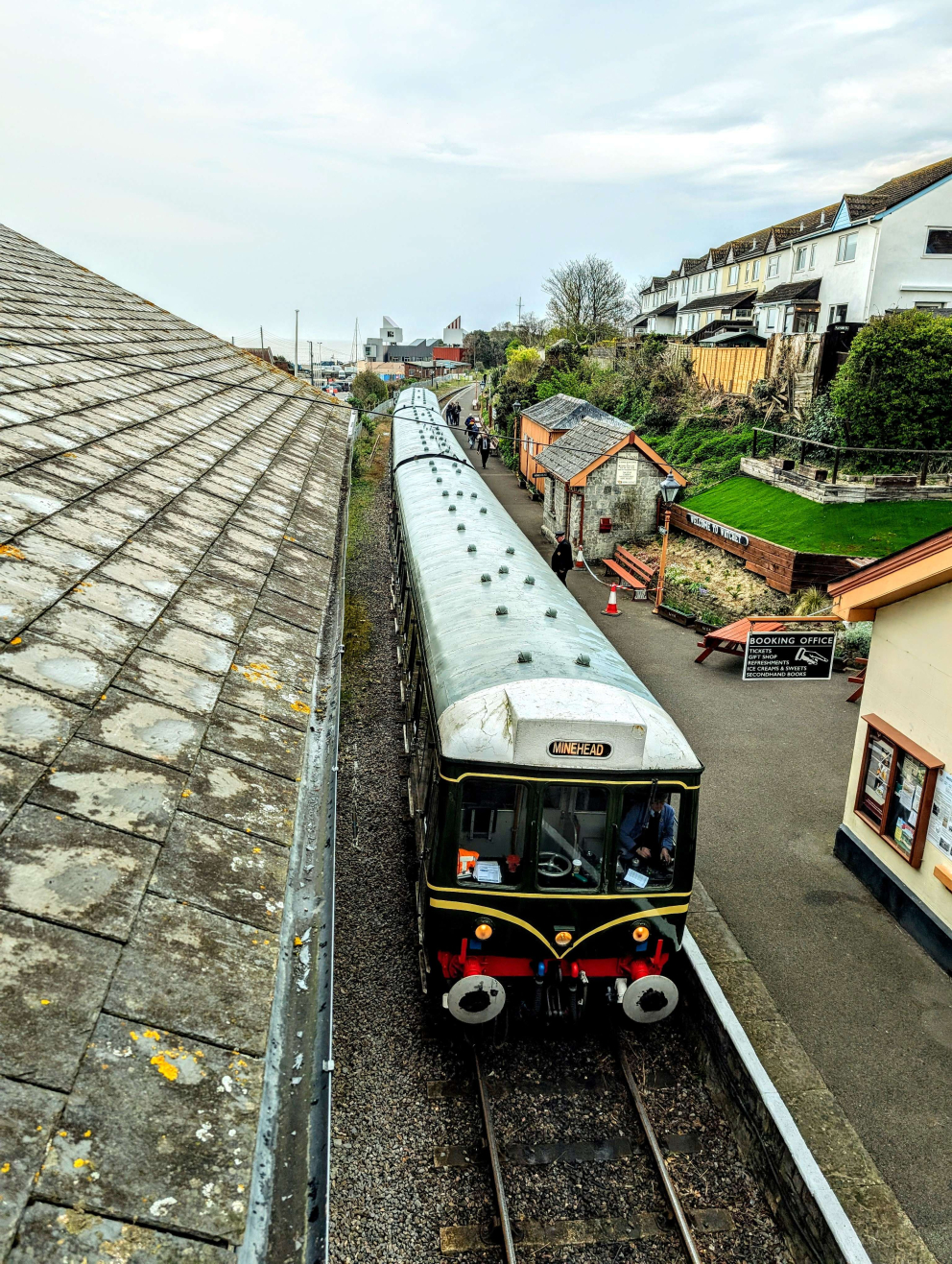
In the centre of Watchet, you are never more than a 10 minute walk from your return train journey. Watchet Station is a hub of the town. Many locals use the platform as a footway and the shop/café as a friendly and welcoming meeting place, or they just use the platform’s many benches as places to lounge in the sun on a warm afternoon or as a break on a dog walk. The platform is the only curved one on the line, which makes for some interesting photo opportunities.
Getting to Watchet Station
For visitors staying in or near Watchet, there are several ways to get to the station.
The station is a short walk from the town’s only bus stop, the 28 service which runs from Taunton to Minehead: access via the footbridge adjacent to the Boat Museum or via the step-free access at the harbour end of the platform.
There is free passenger parking for up to 5 cars in the station car park (please notify staff that you are a passenger when parking - as space is limited, we try to save spaces for genuine travellers).
Many passengers choose to walk to Watchet either by the coast path or along the beach at low tide from Minehead or Blue Anchor, if they have checked the tides. Then, oddly enough, they decide they’d rather take the train back! This is a very popular pursuit for the energetic. It’s wise to keep a copy of the timetable, or at least have access to the WSR website to check the last train times. Also, there are several free tide apps to help (but don’t use Tidal - that’s a music app!)
Station Facilities
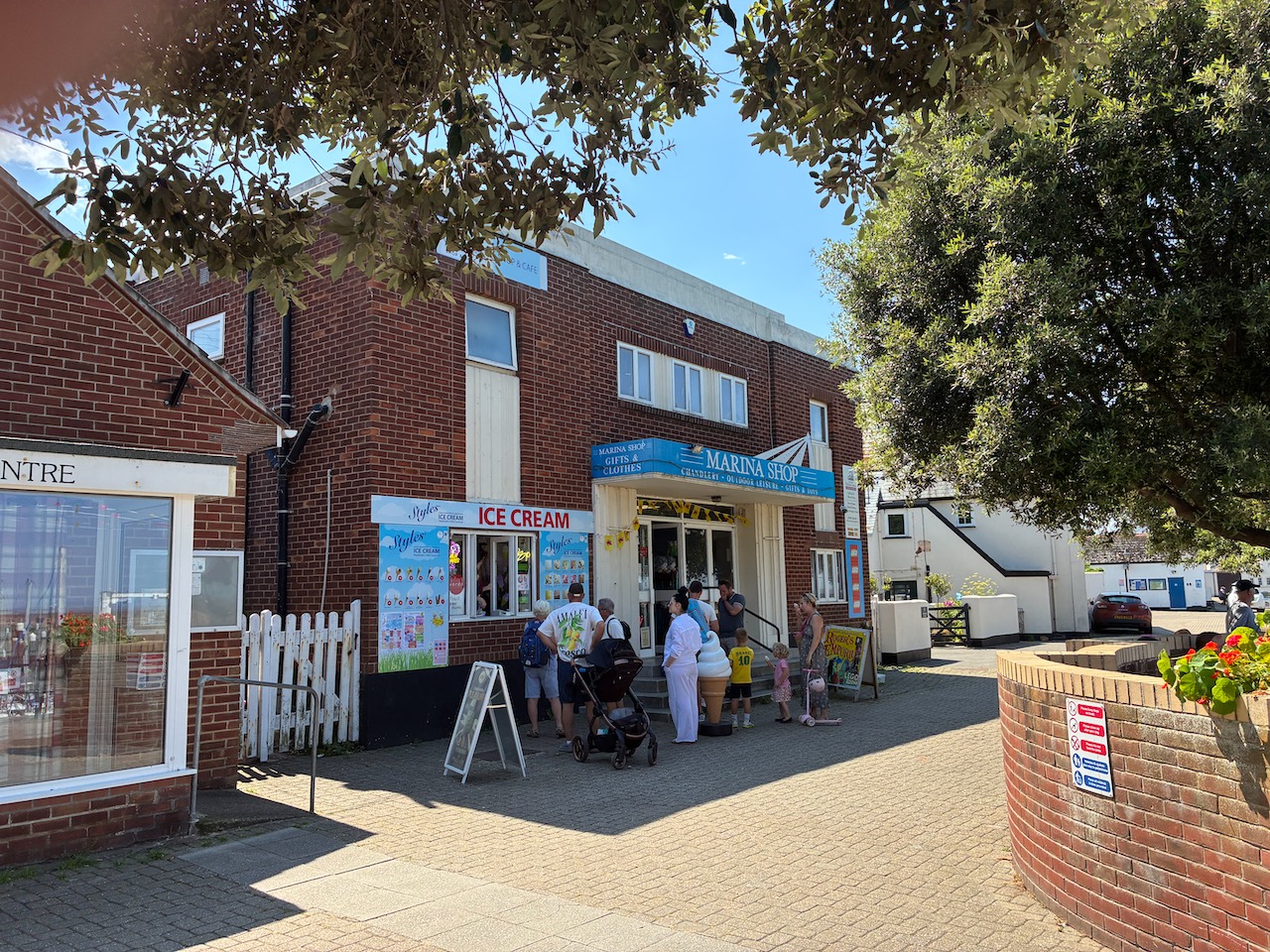
Because of its town-centre and harbour-side location Watchet is a very busy station, run by more than 50 dedicated volunteers. We all strive to make every passenger and visitor feel welcome and we provide a range of services and “things-of-interest”. Our Shop/café serves teas, coffees, soft drinks, ice creams, railway-themed gifts and much more. Styles ice cream is made just 3 miles away and is hugely popular with visitors and locals alike. Look out for our heritage and old ticket cabinets.
The Book Room is a favourite of locals, shelved full of at least 1,200 pre-loved books including many railway books, novels and factual books on every conceivable subject from Pennine Walks to aromatherapy. Dwell here while you await your train and you will definitely find a gem. Our Goods Office shows what it might have looked like 100 years ago and several other items of ‘railwayana’ are also on display in our Booking Hall. Try explaining to children/grandchildren how the stick telephone or typewriter worked! The Pagoda (one of the few surviving examples of its kind) displays a series of wall panels describing the history of the line and Watchet station. It now also houses a working model of Watchet station and its busy sidings as it was in 1948-50, in OO gauge.
Secondhand donated model railway items are on sale here and in the Booking Hall. There is ample heritage GWR and other seating outside the main building and along the platform.
An accessible toilet with baby-change facilities is located outside the main building; an additional toilet for passengers is in our Book Room.
Eat, Drink, Stay
This small historic 1000-year old harbour town is a surprising and delightful find on west Somerset’s north coast. Our staff are on hand to guide you to Watchet’s eateries, pubs and other attractions.
For more about Watchet visit the OFFICIAL site at https://www.lovewatchet.co.uk/
This really is the best sarting point for your time in Watchet, or drop into the Visitor Centre (opposite the station), normally open Wednesday to Saturday until 3pm, more days/longer hours in Summer. With cafés, pubs, gift shops, weekly Wednesday and monthly Sunday summer markets, a busy marina, an arts centre, a theatre and several museums, Watchet has become a popular destination for visitors to the area.
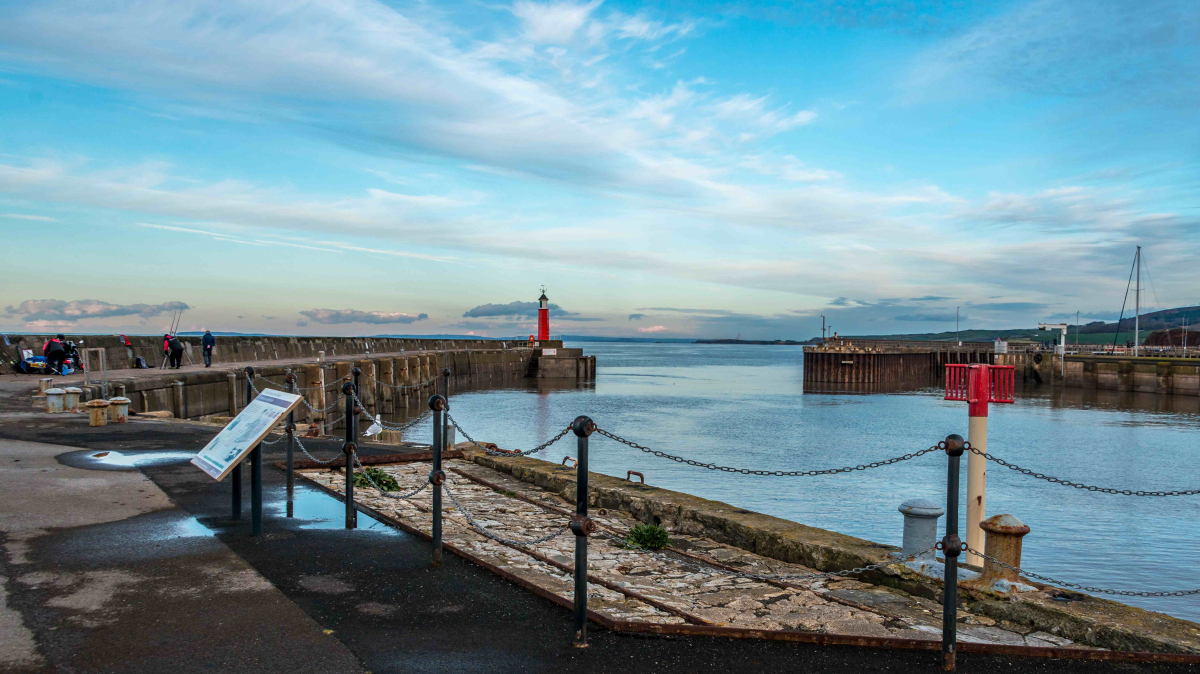
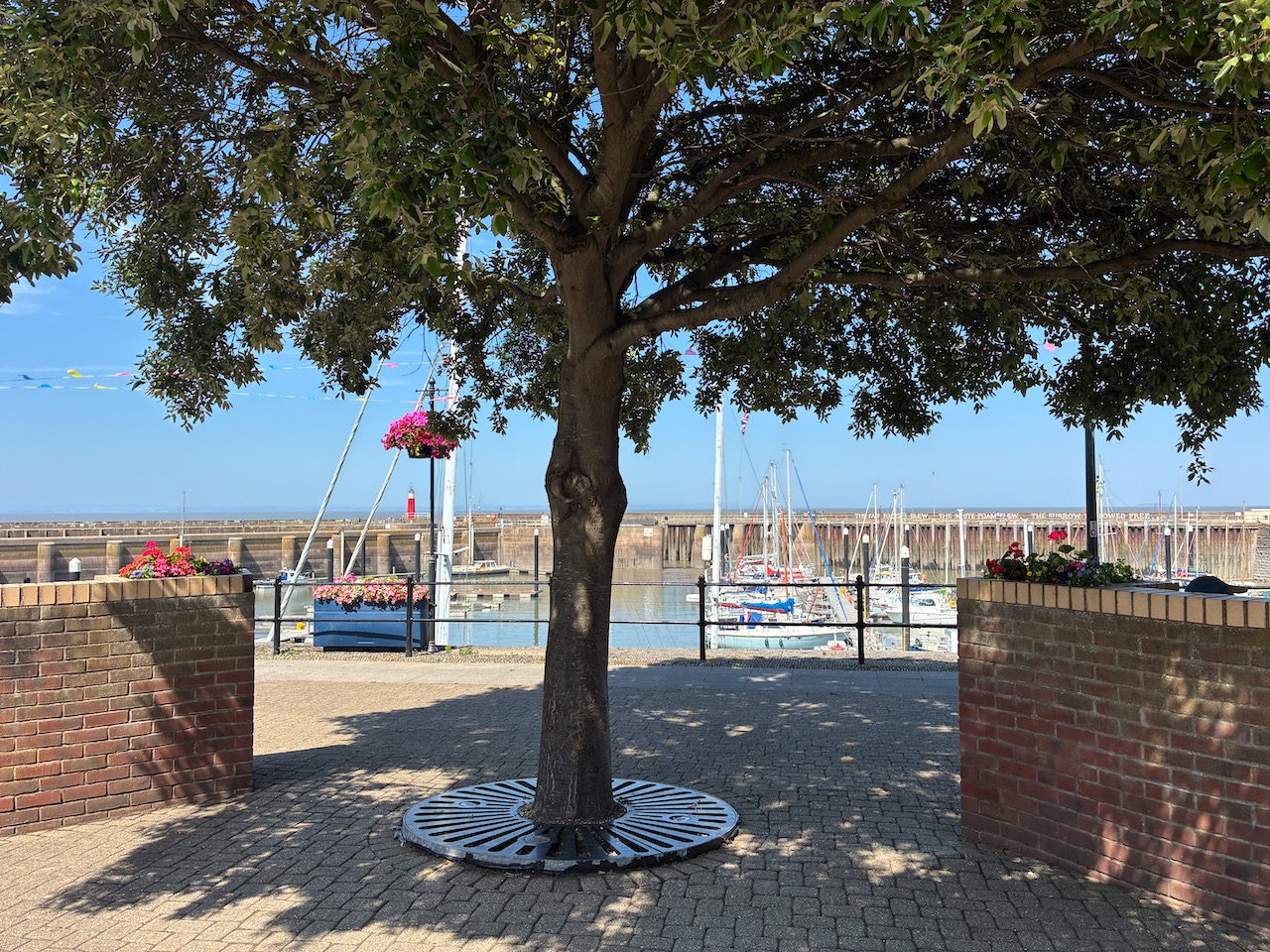
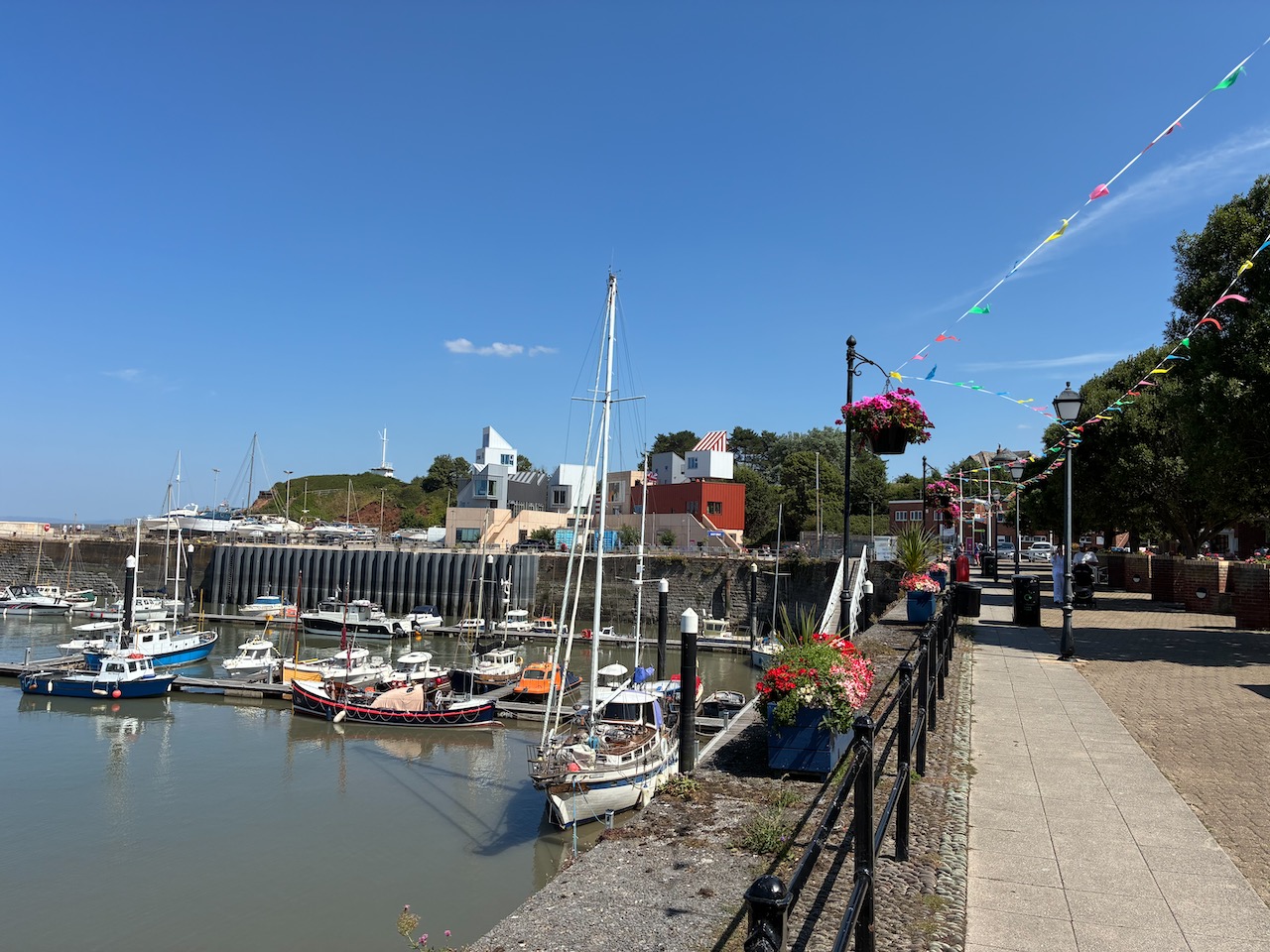
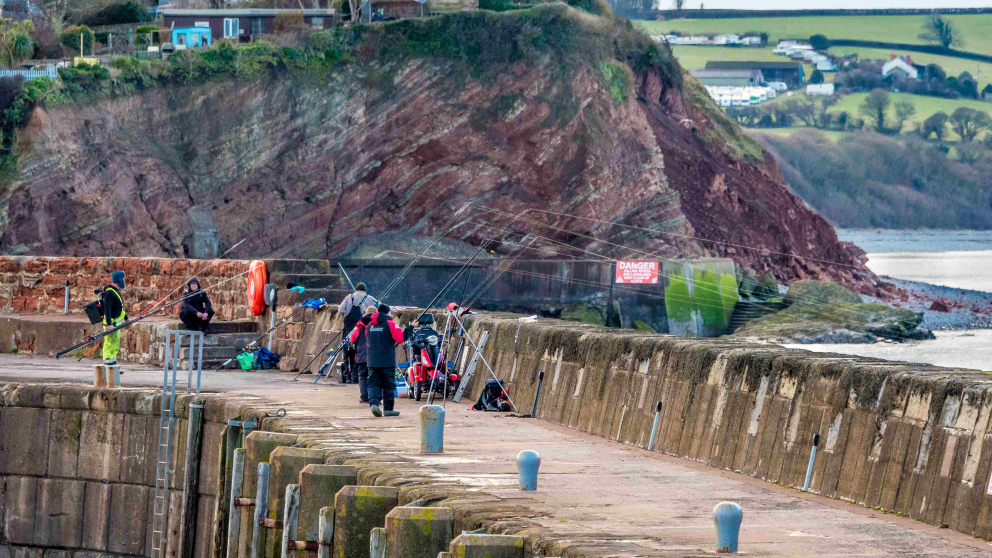
For children, there’s a small fossil beach where they might find an ammonite, and there’s even a fantastic Lego emporium on the Esplanade (not just for children!). A stroll along West Quay takes you to the harbour entrance with its iconic red lighthouse: after a 150 years being painted red, it’s about to become the first red-and-green lighthouse in the world thanks to an official reprimand (it could confuse incoming boats).
Hungry or Thirsty?
The station shop sells teas, coffees, cold drinks, ice creams, small cakes etc. A short walk from the station you will find:
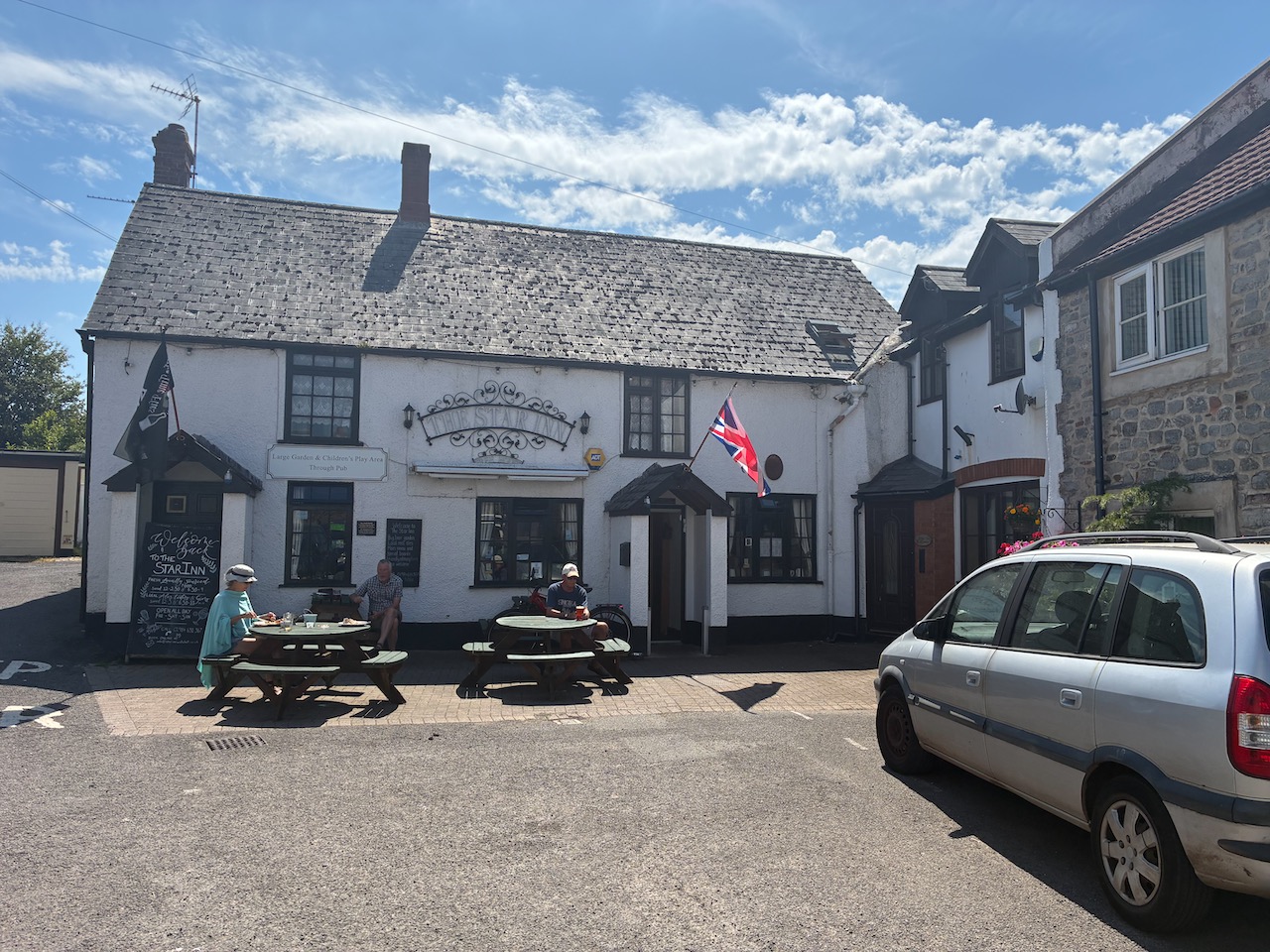
Star Inn - pub food, garden with play area
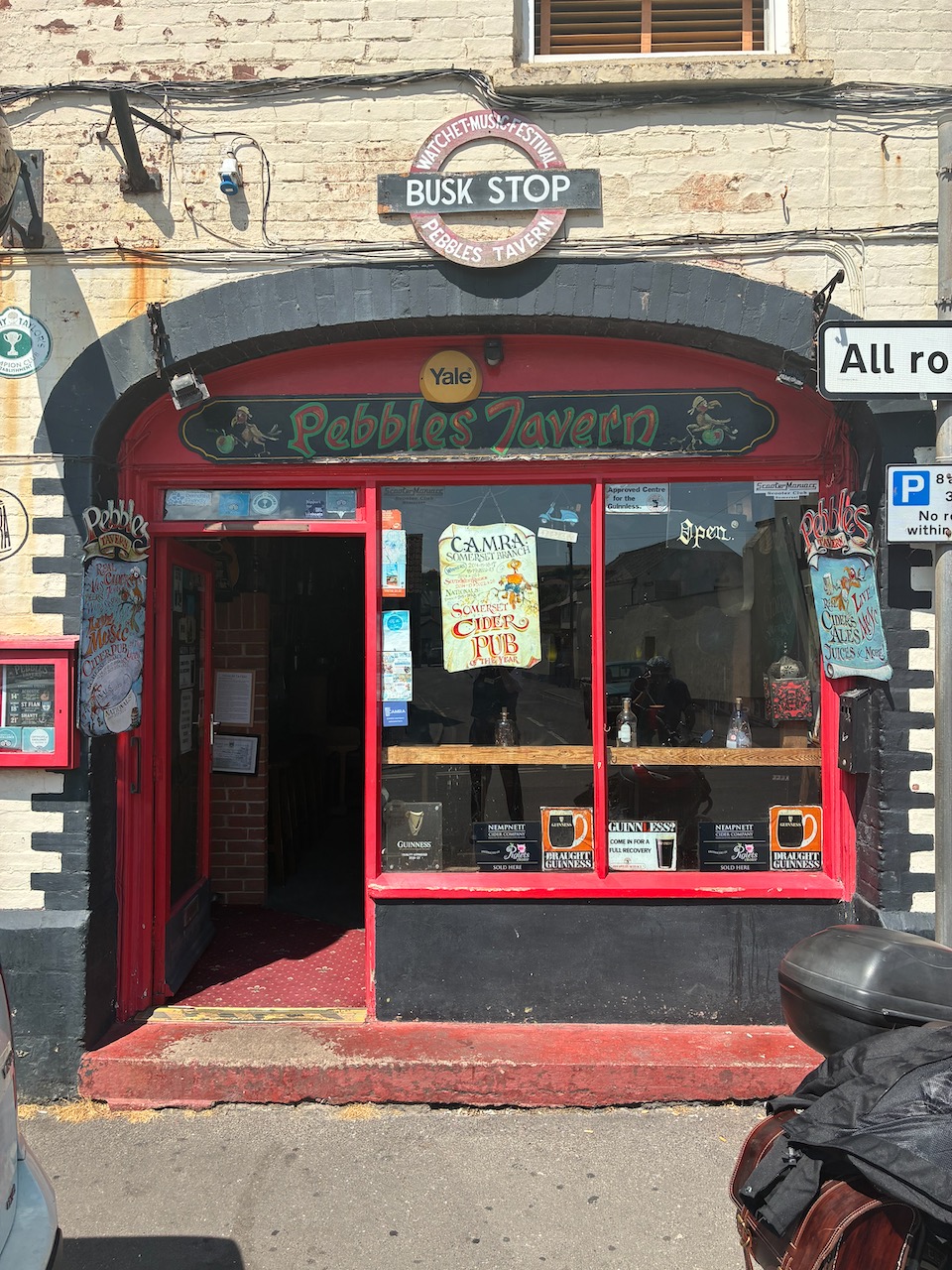
Pebbles Tavern - award-winning intimate bar, live music
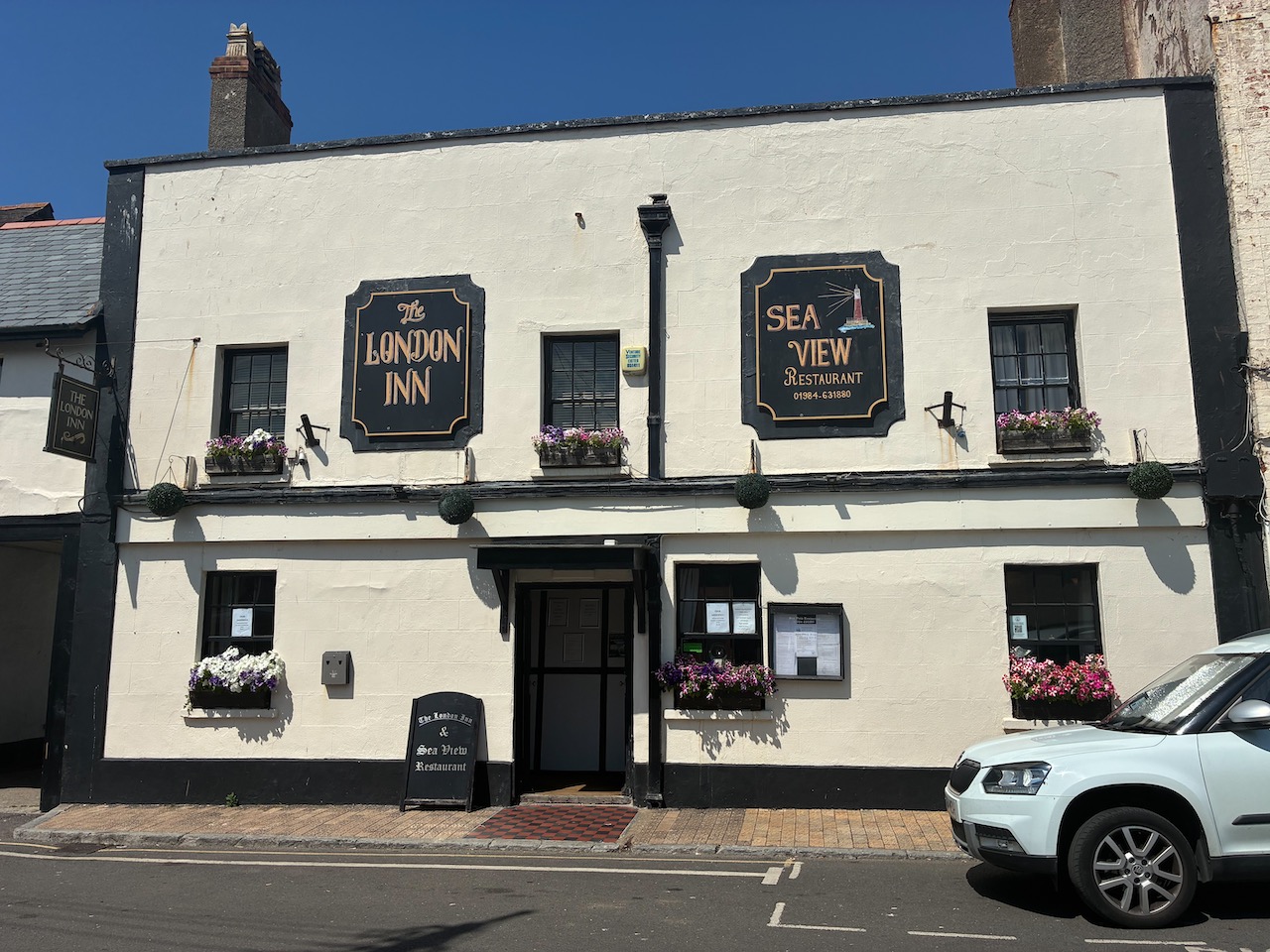
London Inn - pub food
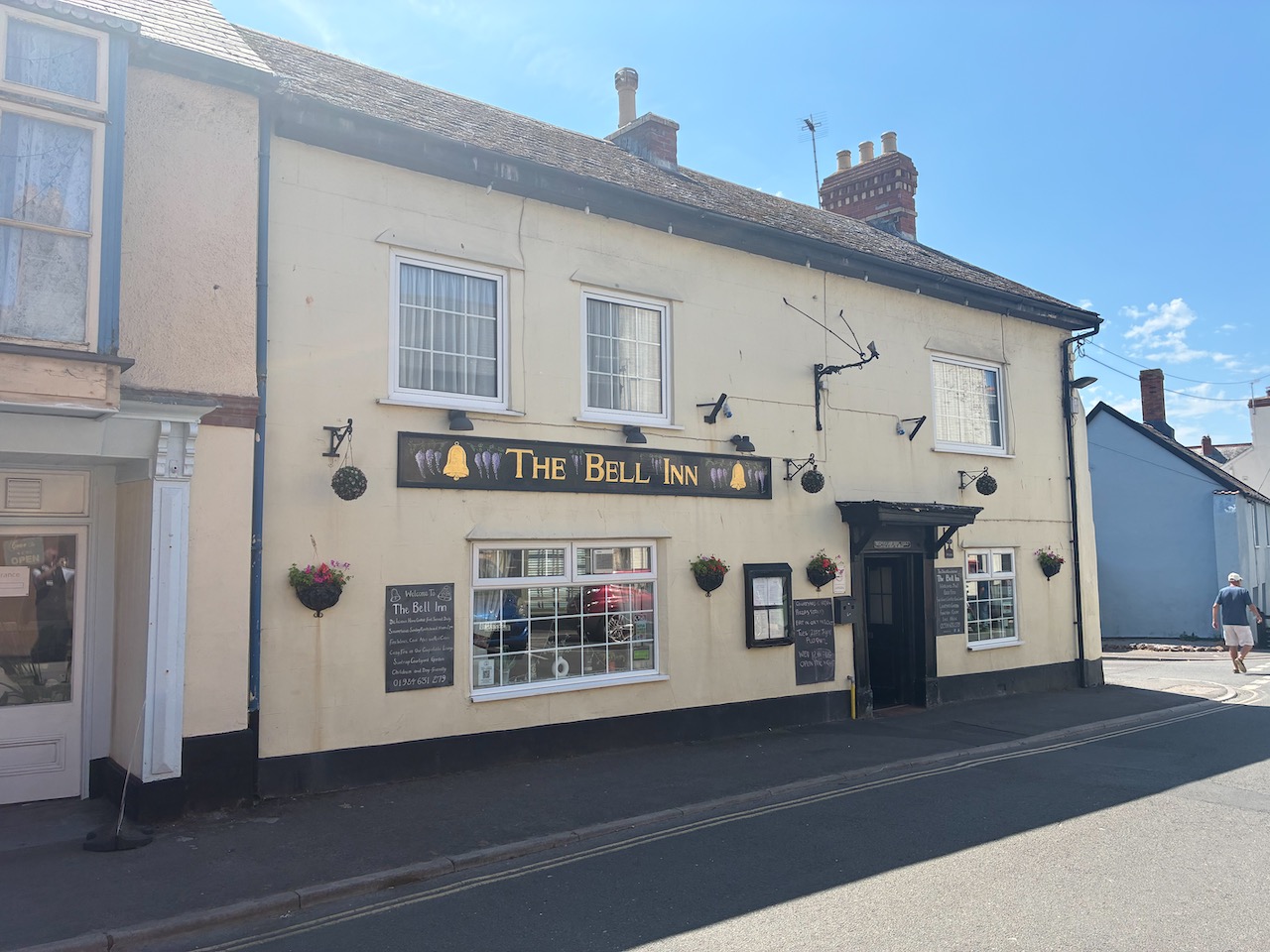
Bell Inn - pub food, live music
Esplanade Club - drinks (non-members welcome), outdoor seating, live music
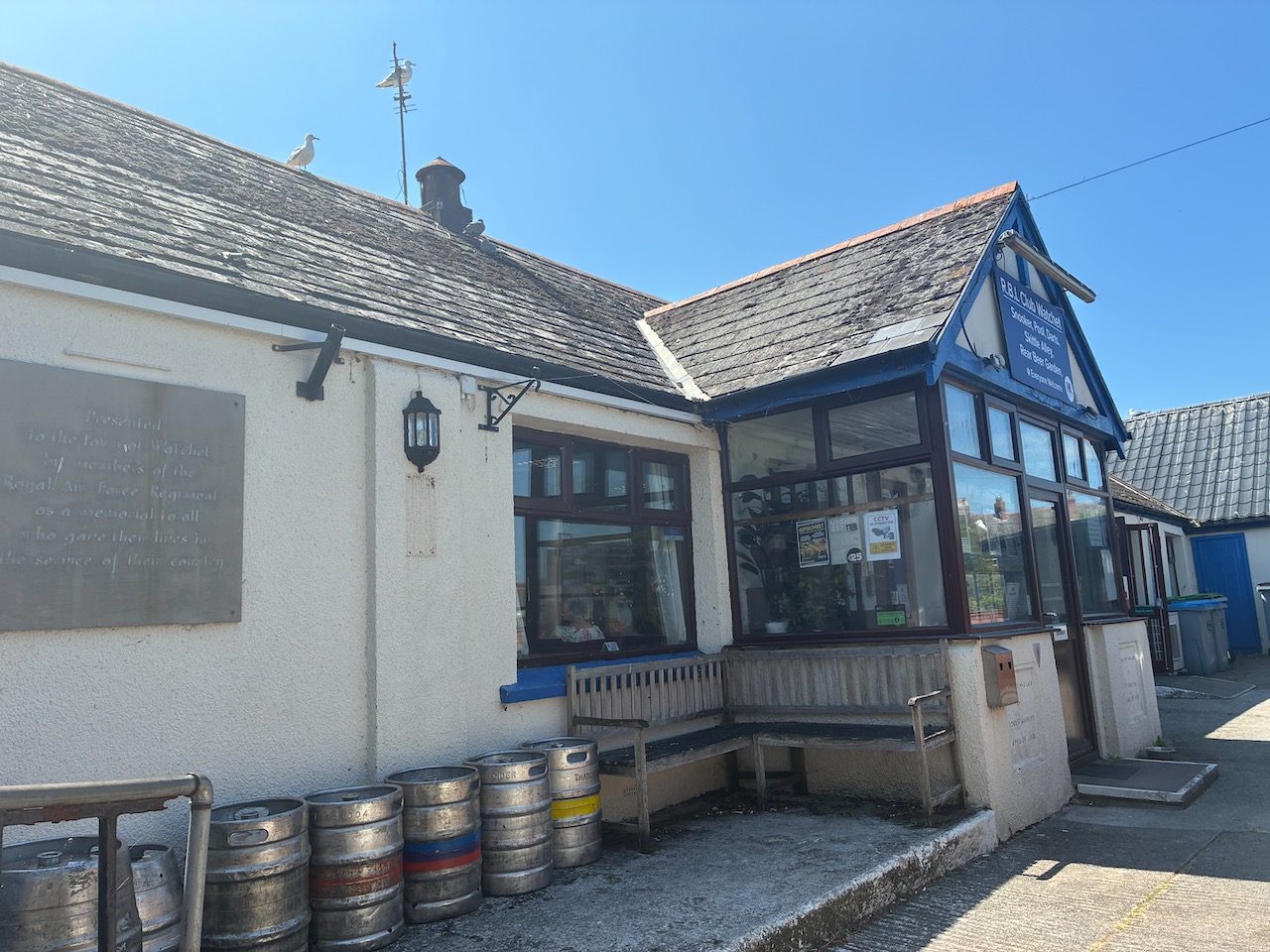
Royal British Legion - drinks, garden, live music at weekends, non-members welcome
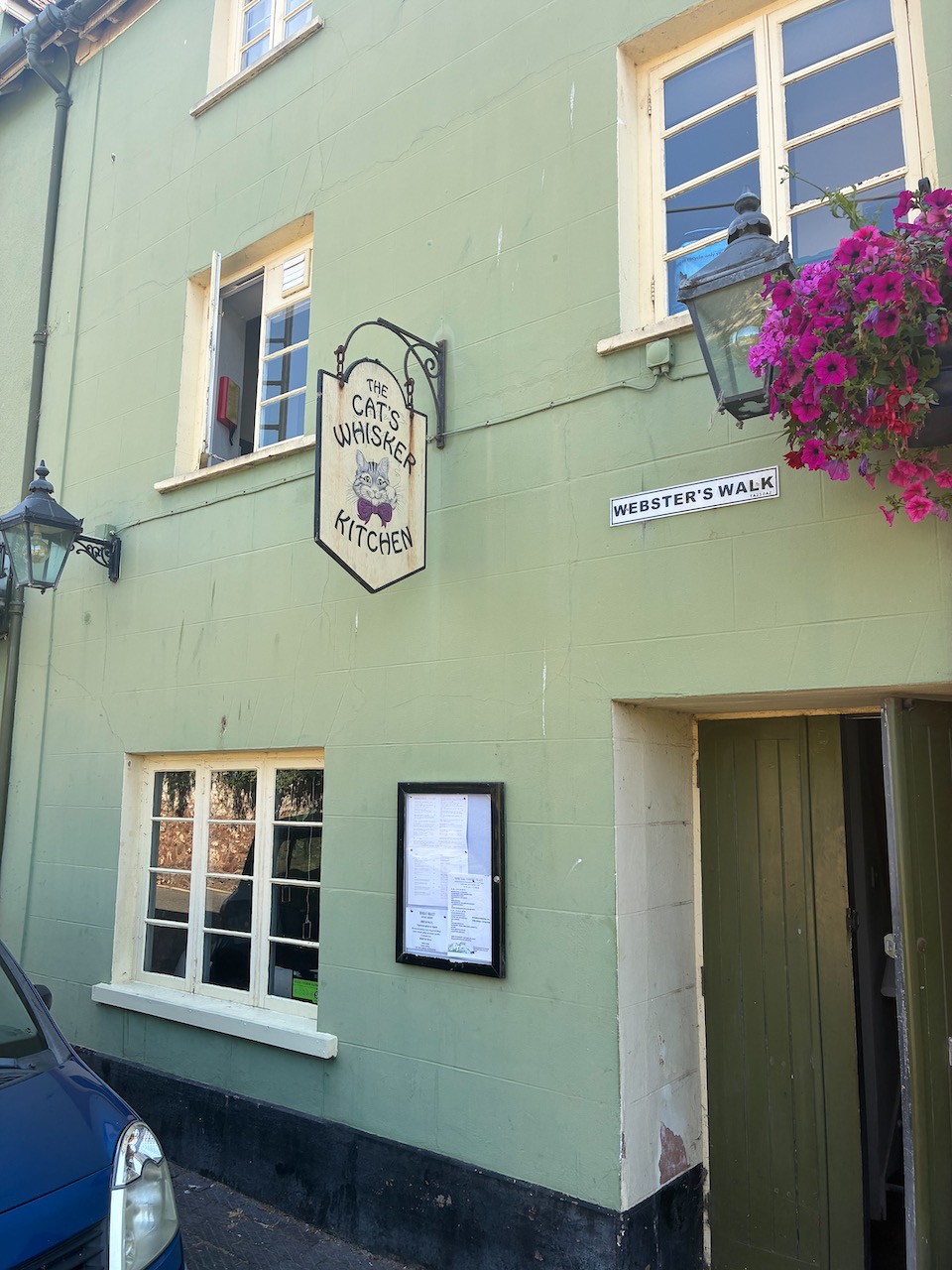
Cat’s Whisker - tapas and other food (evenings only)
West Somerset Hotel - pub food
East Quay - Middle-Eastern and Mediterranean-inspired cuisine, live events
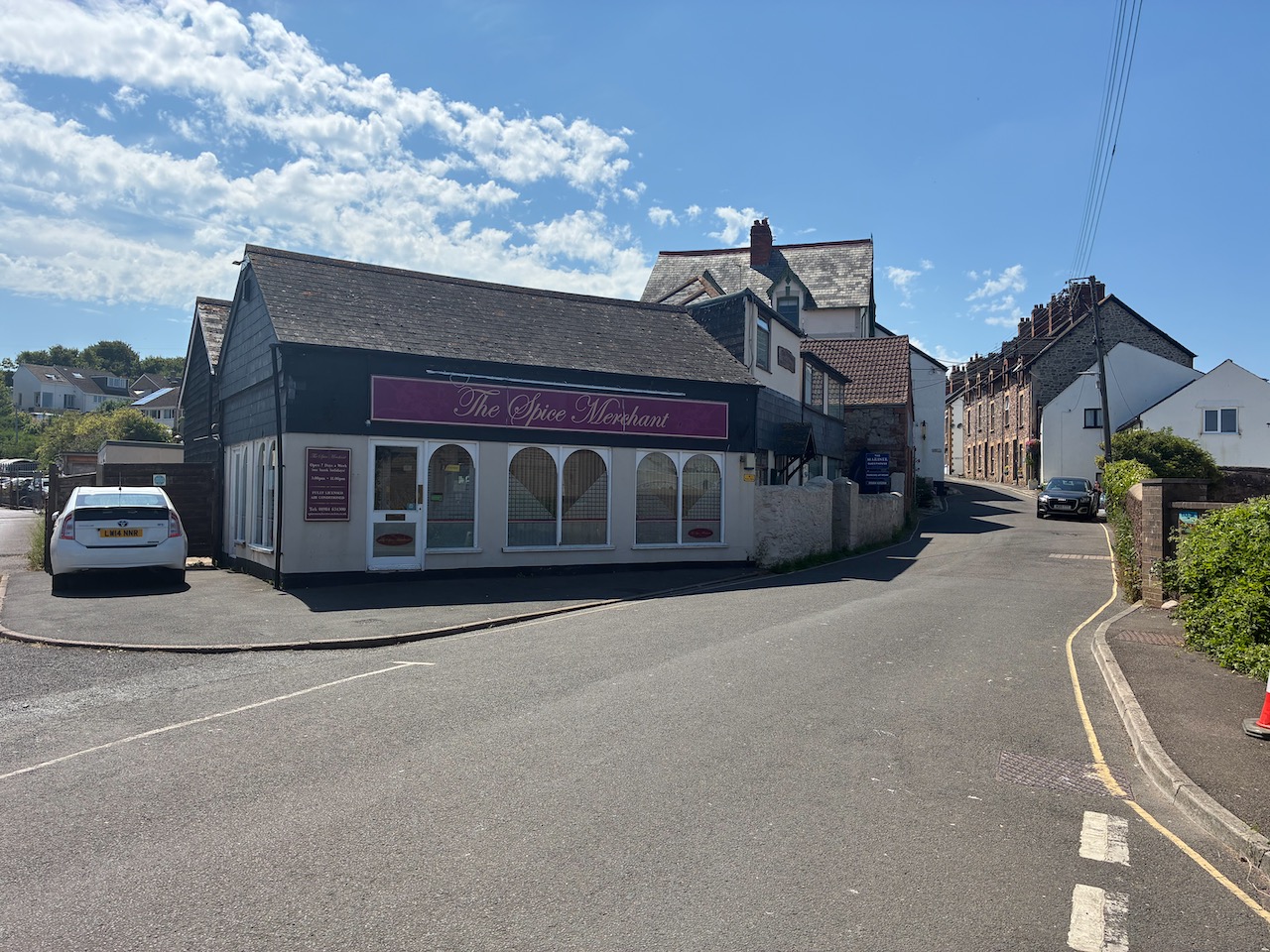
Spice Merchant - Indian eat in or take away (evenings only)
Heliker’s Tea Room - breakfasts and more
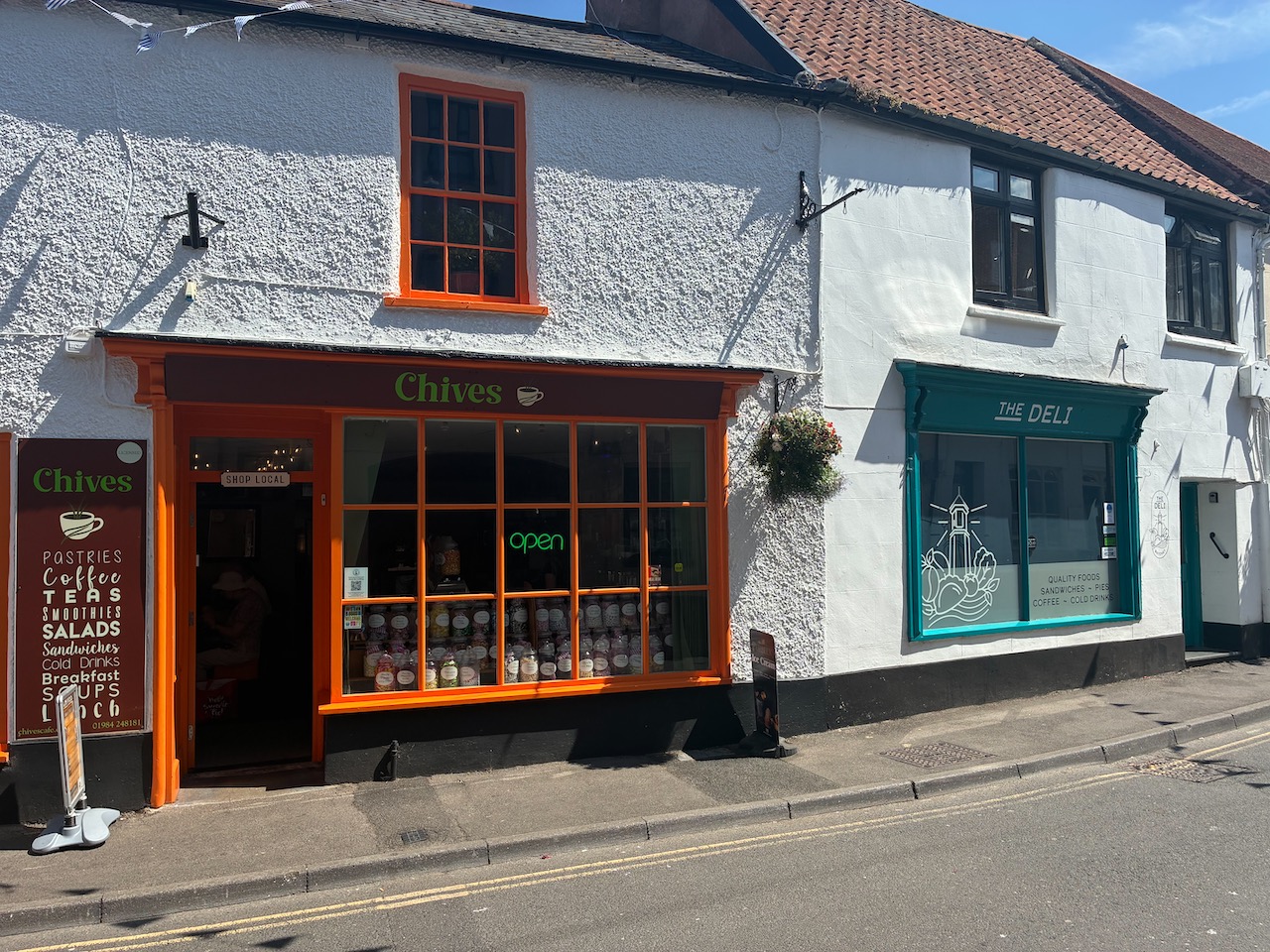
Chives Café - light bites
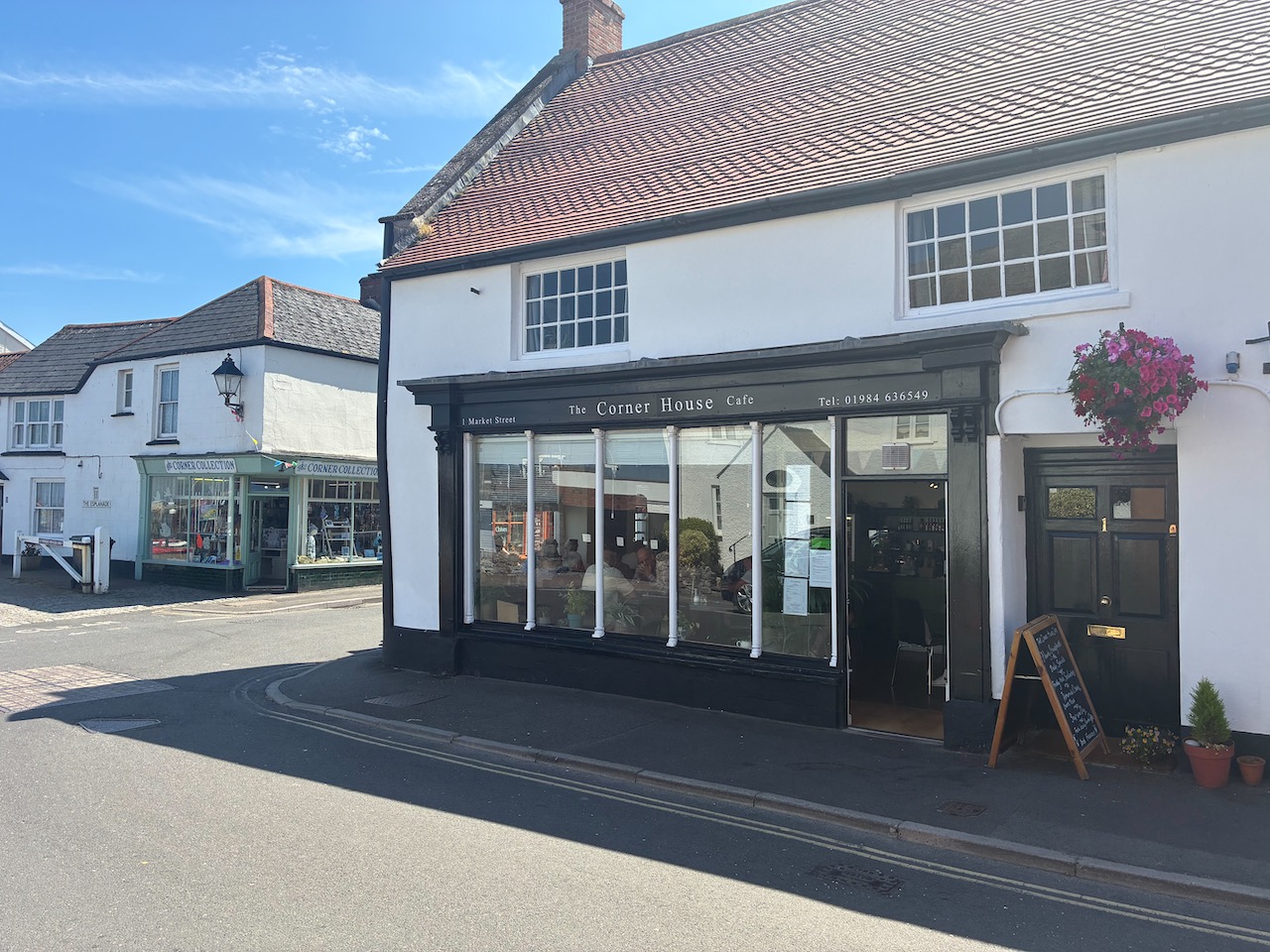
Corner Café - light bites
The Deli - deli with coffees etc
Crispy’s Fish and Chips - take away only
Pizza Time - pizzas, kebabs (take away only)
Check the internet for opening times.
There are many independent places to stay in and around Watchet ranging from static homes or caravans to self-catering homes and deluxe B&Bs. Best to check the Visitor Centre or https://www.lovewatchet.co.uk/
Watchet Attractions
Watchet has many appealing attractions.
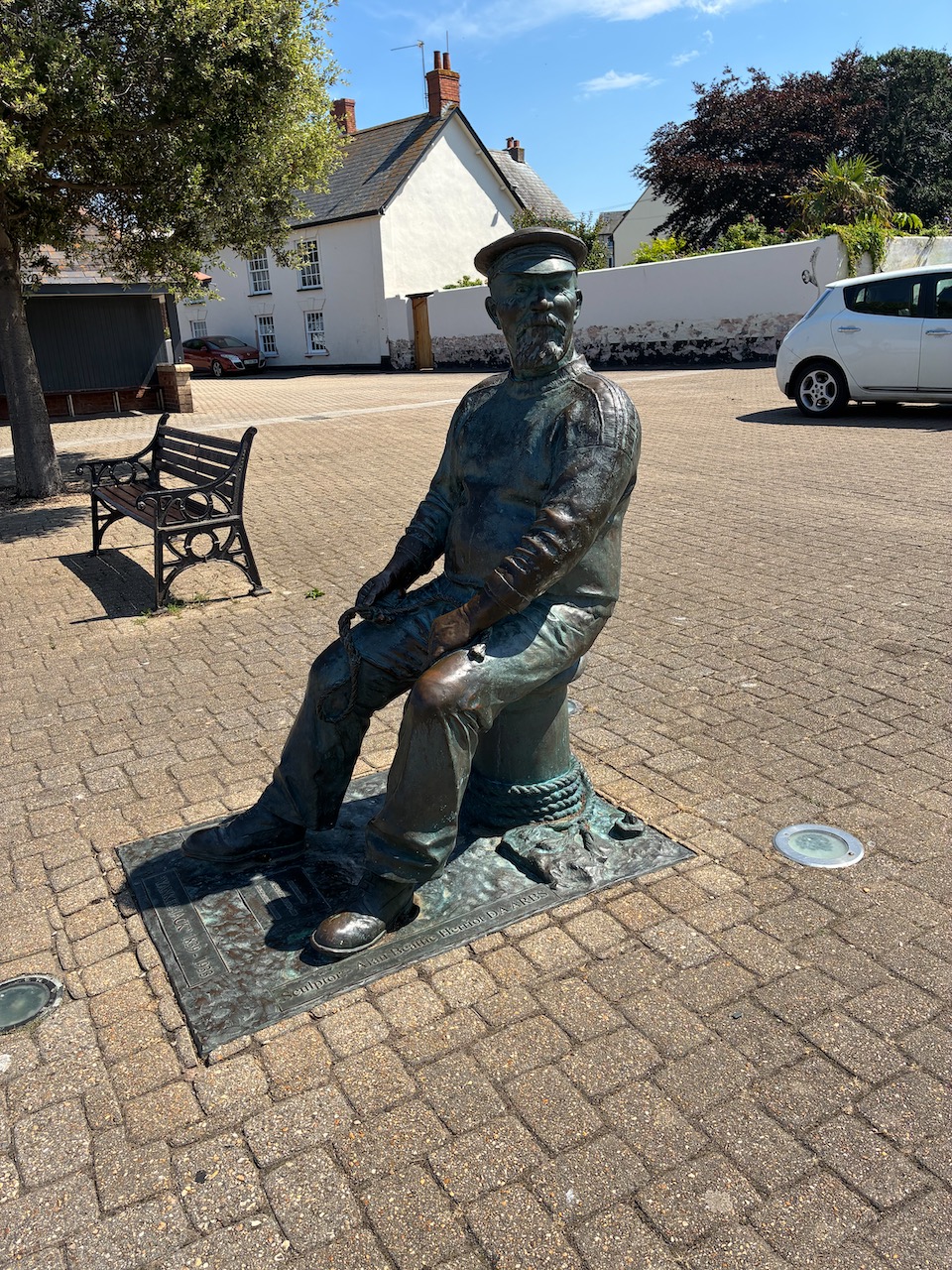
At Watchet’s heart, the harbour and marina are flanked by the Esplanade, a wide paved strip with benches that attracts visitors to stroll and admire views of Wales (on a clear day!), or sip drinks outside the Esplanade Club. Meet Yankie Jack and the Ancient Mariner, our iconic street sculptures. Watchet made a huge impact on Romantic poet Samuel Taylor Coleridge. Consider the painted legend “The fair breeze blew, the white foam flew, the furrow followed free” on the east quay defensive wall and wonder what that’s all about. www.nationaltrust.org.uk/visit/somerset/coleridge-cottage.
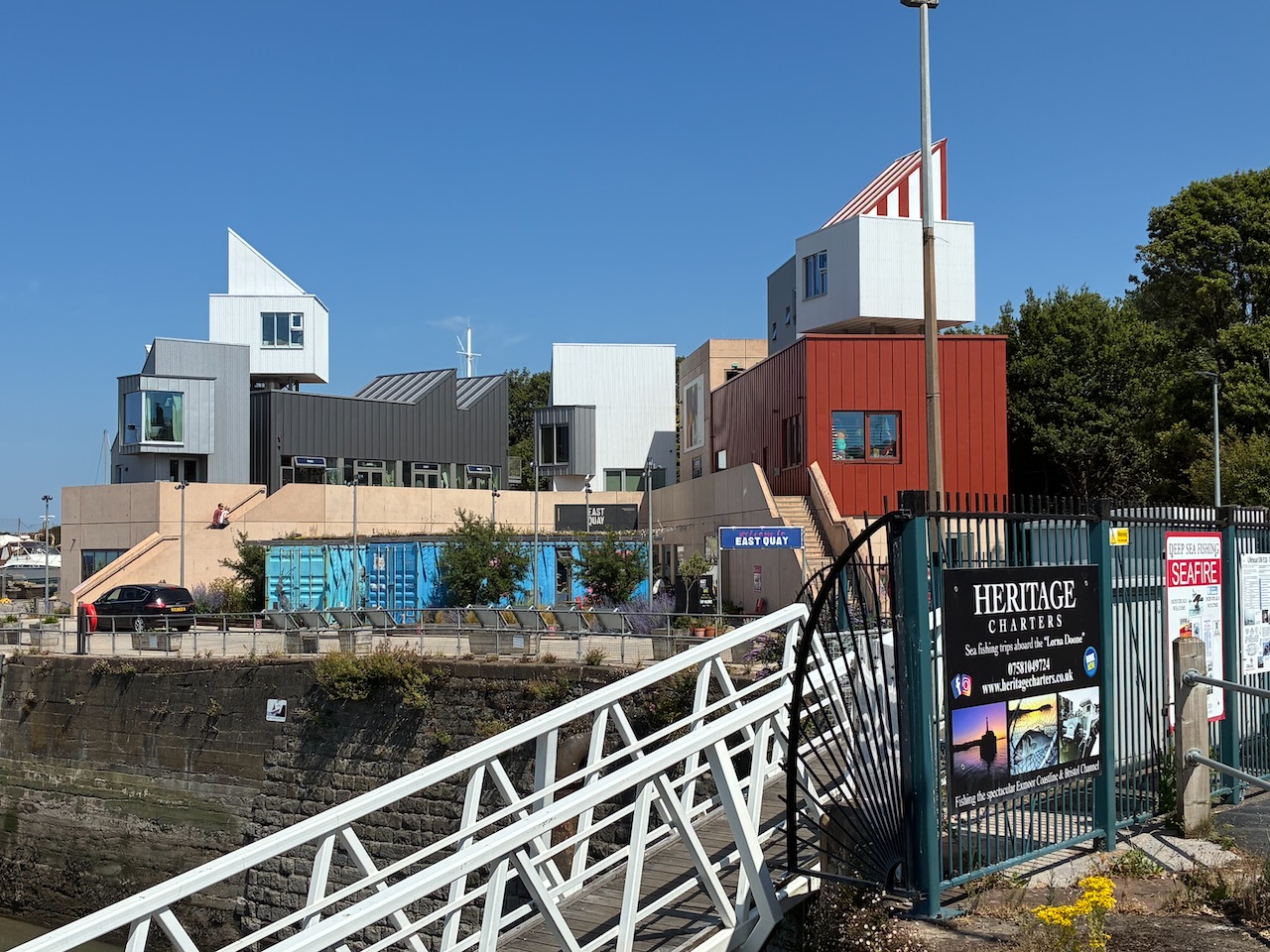
East Quay is a £7m centre which opened in 2021 with art galleries, resident artist studios, a kitchen, a fossil workshop and a handmade paper facility where you can often watch paper being made. East Quay has showcased works by famed artists such as Grayson Perry, and regularly exhibits thought-provoking work. Open all year. www.eastquaywatchet.co.uk
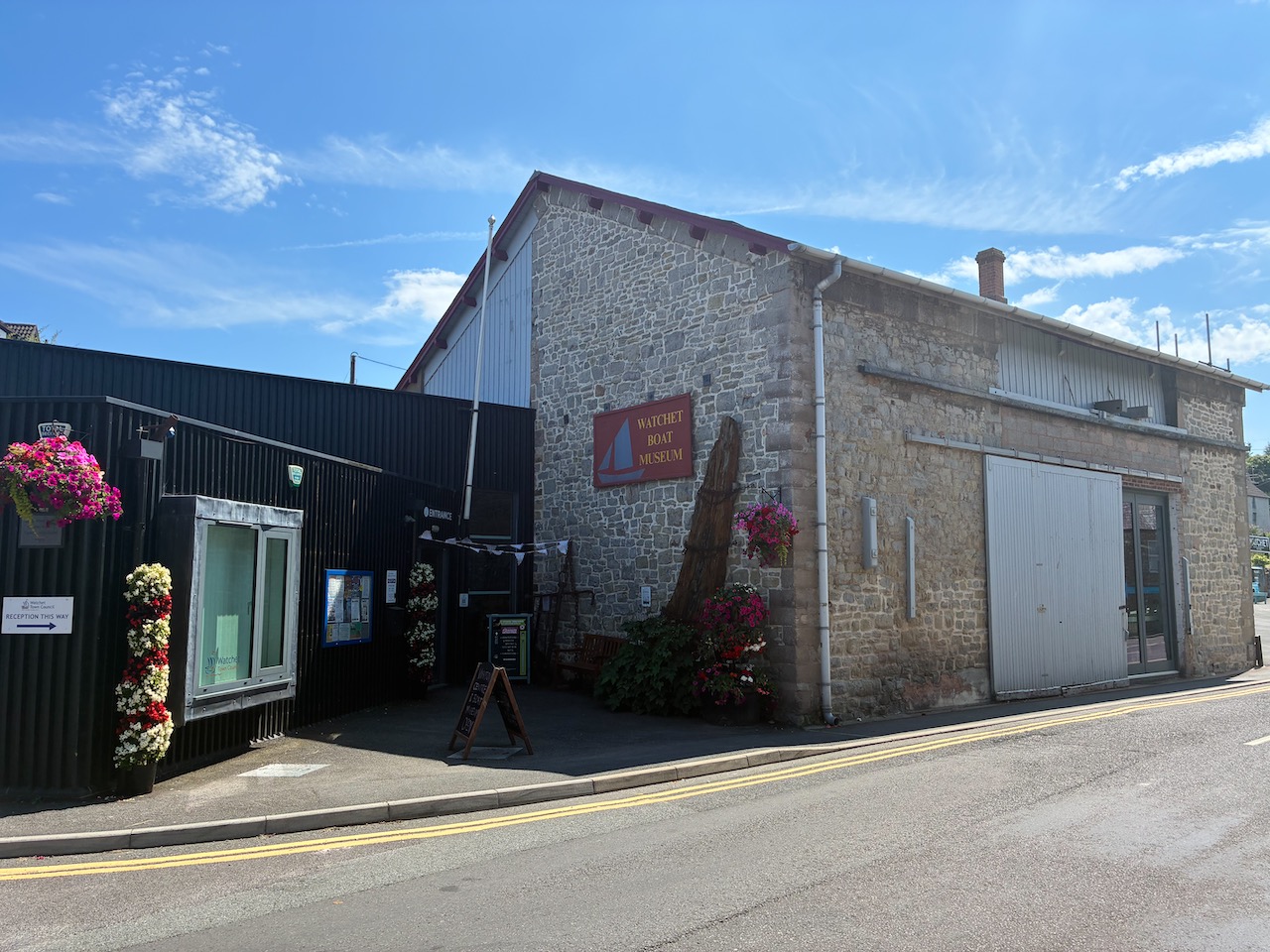
Watchet Boat Museum is home of the Flatner, a local boat. The Museum celebrates the history of Flatner boats with photographs, displays and a number of full size local finds and fishing paraphernalia. There is also a collection of scale models on the mezzanine level. There are interactive exhibits for children with a flatner play boat, ships wheel and navigation, pulleys and weights and children’s trails and activity sheets.Volunteers in the Boat Museum regularly display rope making. Boat Museum (H) | Love Watchet
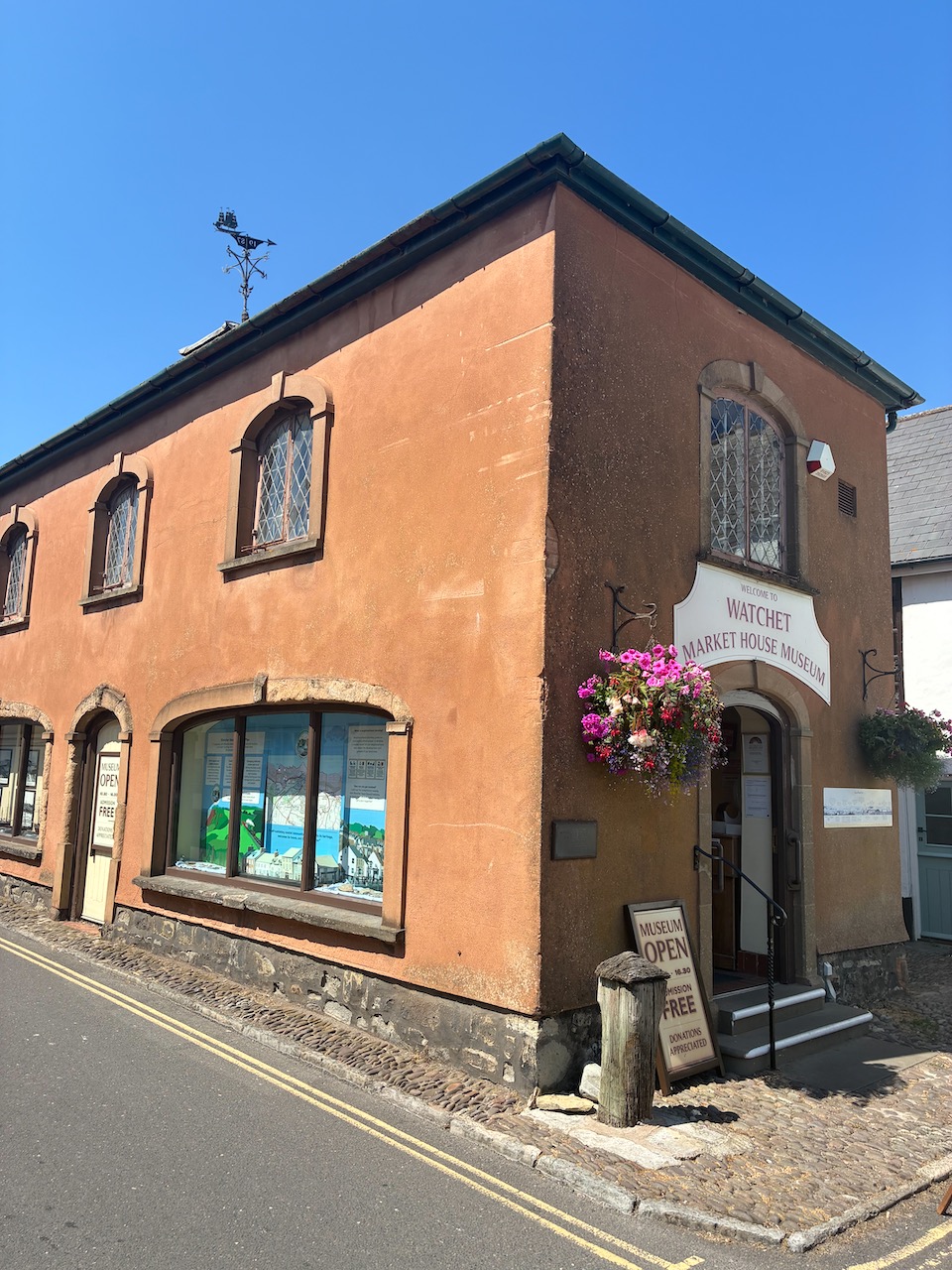
Market Street Museum is “The little museum with lots to see!”. It has a fascinating collection of exhibits relating to Watchet and its maritime history. Don’t walk past it, it really is a “must see”. Volunteer-run so check opening hours at the Visitor Centre before making a special journey. www.watchetmuseum.co.uk
The Radio Museum in Anchor Street is nationally recognised as a unique showcase of radio and broadcasting history, with a priceless collection of equipment and related ephemera. It’s really easy to get drawn into the collection’s history by the amazing artefacts on display. Normally open Wednesday to Saturday from spring to autumn. www.radiomuseum.uk
The Backyard Theatre is located behind the Radio Museum: formerly the twin skittle alley of the long-departed Anchor pub, this newly-created 89-seat theatre puts on high-quality plays and shows, which are often sold out weeks in advance. Book early! www.backyard-theatre-watchet.uk
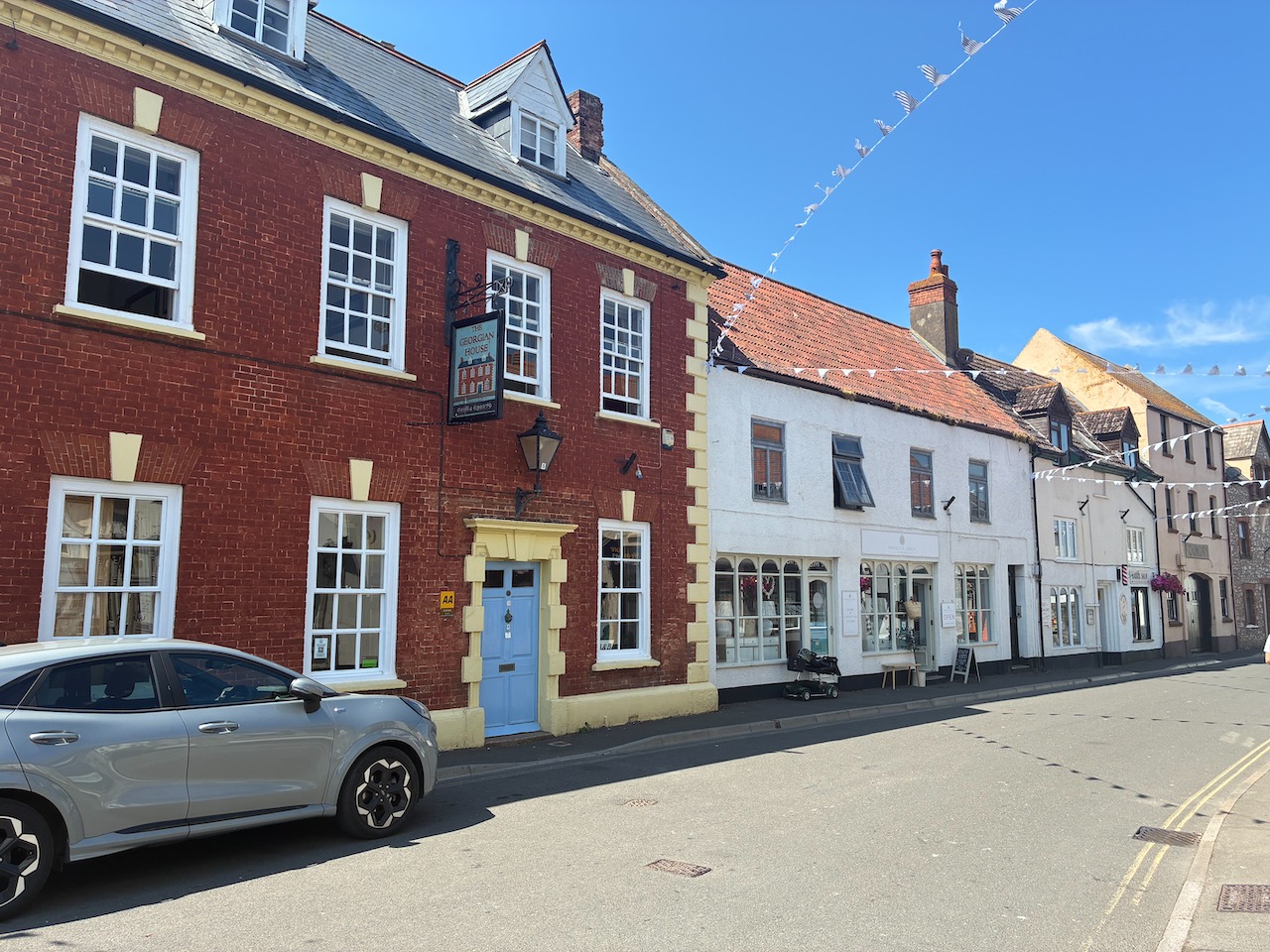
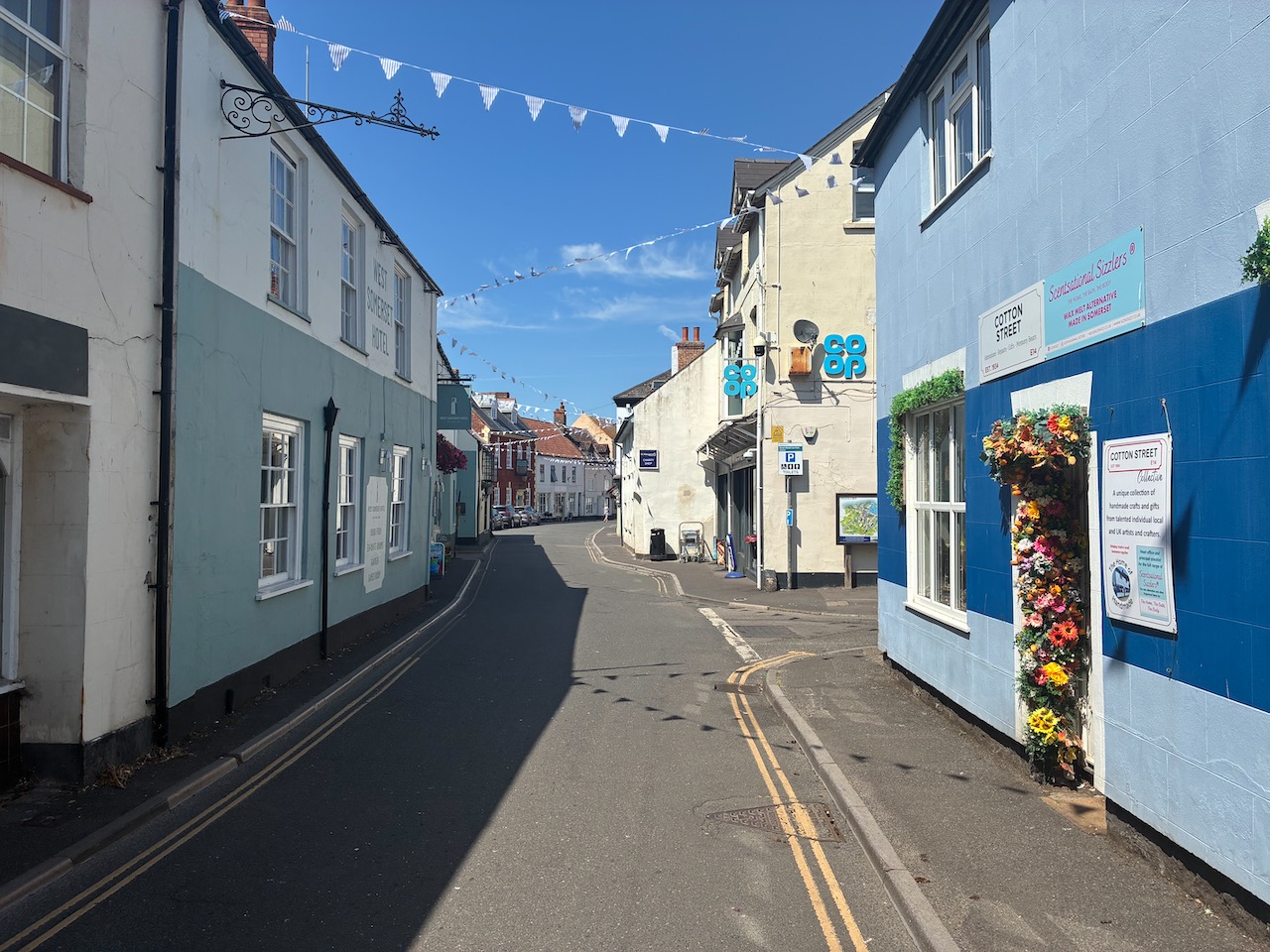
Along Swain Street (Watchet’s “high street”) and along Market Street you will find some interesting shops:
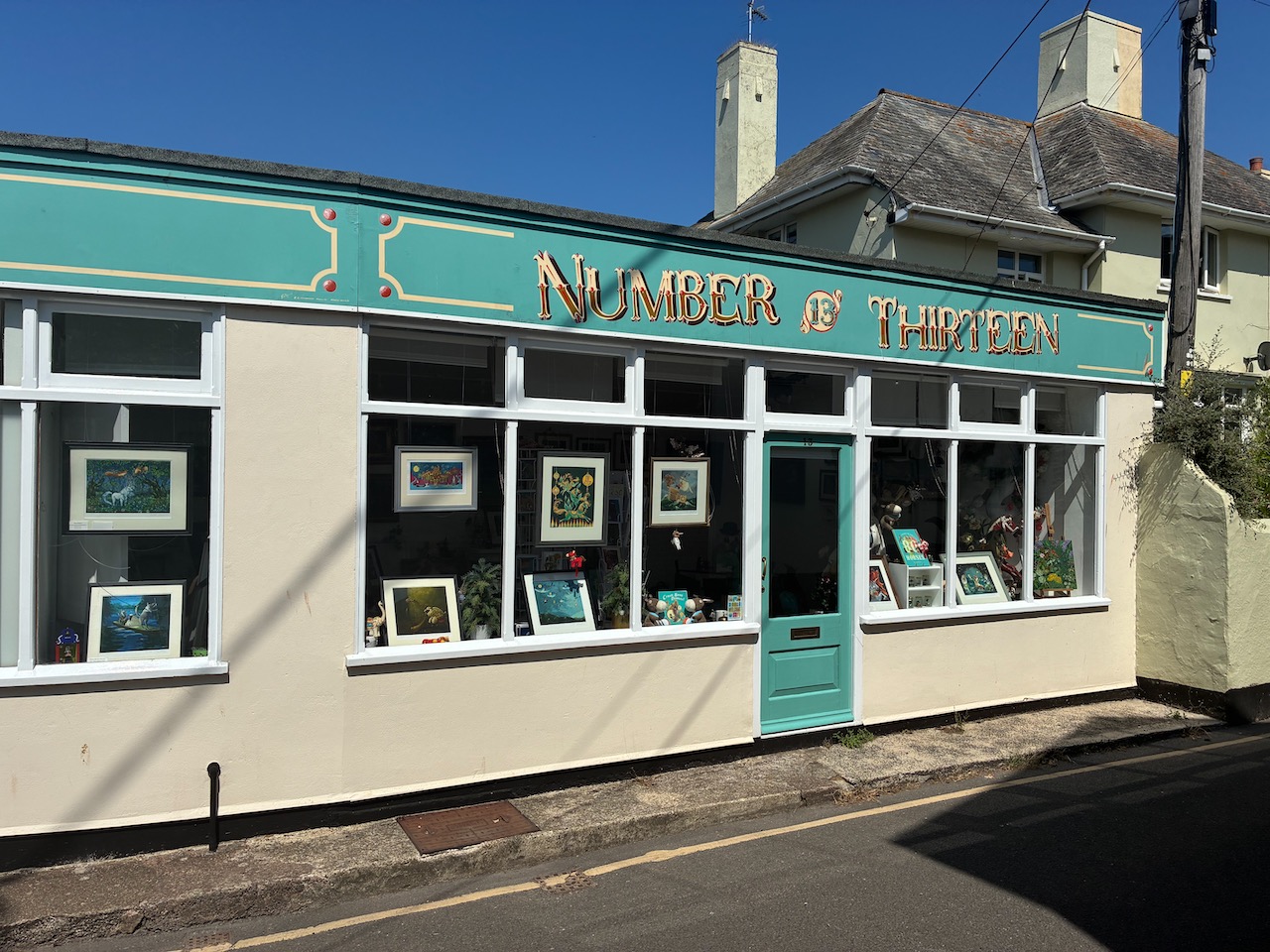
- Art and Crafts - there are several small art galleries showcasing local artists and craft-makers such as Linda Cotton Gallery and The Art Works Also don’t miss Number Thirteen located down Anchor Street. An abstract artist studio has been set up recently. Mayfly studio (just off Swain Street) shows artists occasionally.
- Gifts - several shops including Corner Collection (a craft collective), New Horizons, Watchet Makes and Perfectly Lovely Interiors.
- Clothing - Maria’s (behind Albert’s ’Ardware), Cotton Street, Little Lighthouse quality children’s clothing, toys and books.
- General - Albert’s ’Ardware
Watchet is the start of another, less well known railway line: the Mineral Line. Back in the day, Watchet was the shipping port for the iron ore that was being mined in the Brendon Hills. Something had to carry this bounty back to Watchet Harbour and thence to south Wales. The line is now a popular walking route that follows the WSR all the way to Washford.
Children can follow the Dragon Trail: details in the station and at the Visitor Centre.
Annual Events
Watchet is famed for its silly events. And there are lots of them! You will need to check out dates but here are some of Watchet’s silliest events:
Wheelbarrow Race - this summer event sounds innocuous but this event involves teams of 2 getting dressed up in themed costumes and racing between about 8 stops to down cider or beer; the result is hilarious and hundreds come to watch.
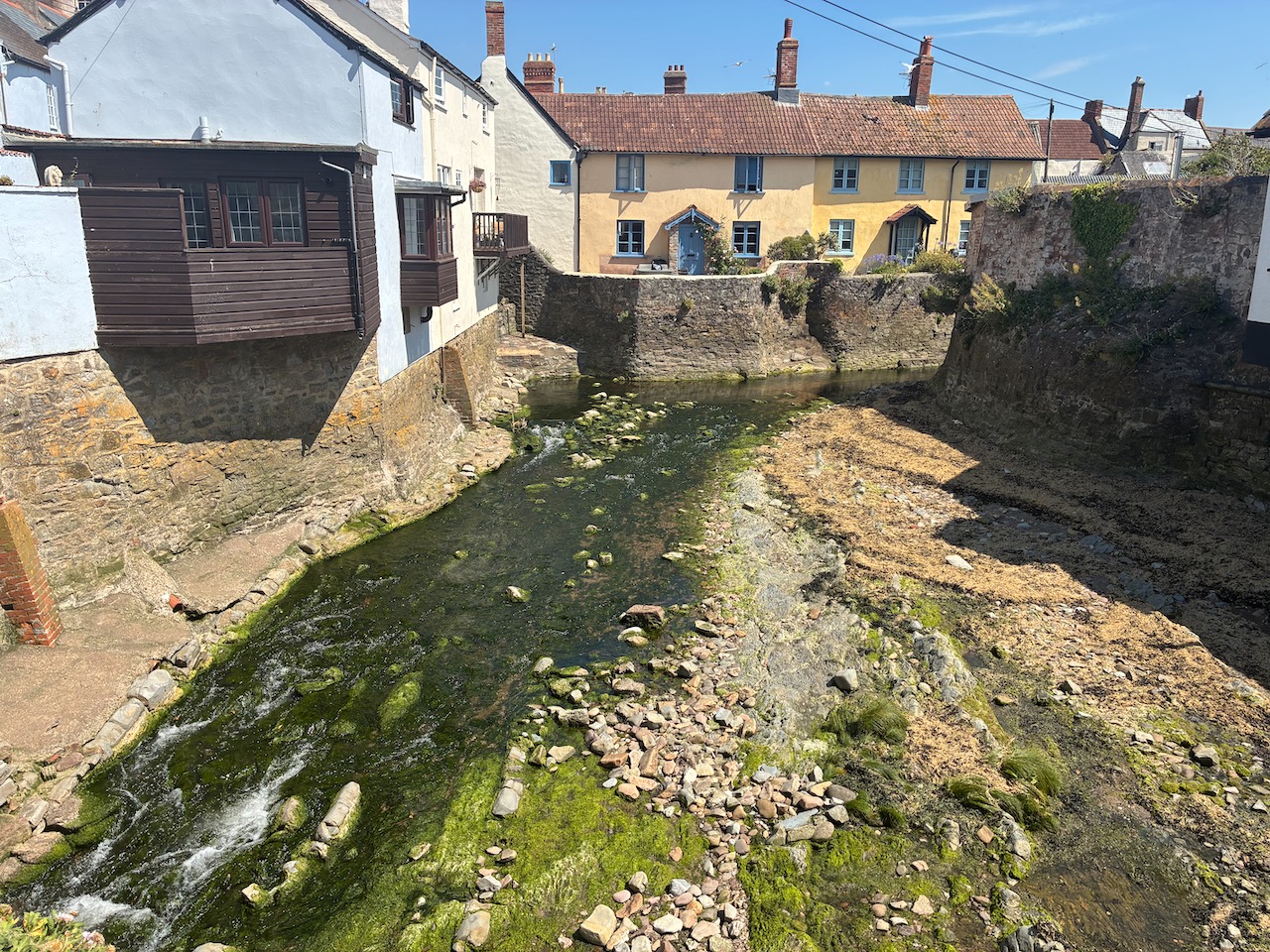
Duck Race - for a £1 a duck anybody can buy one. They are all dumped into the Washford River and collected before they get sucked under West Street into the sea.
Bathtub Race - in the harbour, do we need to explain?
As you can see quite clearly, Watchet residents have a sense of humour. If you visit, do go up to a local and start chatting: next thing you know, you’ll be looking in the estate agent’s window!
PS: there are lots of serious Events, such as:
Words in Watchet is an amazing new enterprise that brings together popular authors to discuss their works in intimate surroundings. Late winter/early springtime. https://wordsinwatchet.com
For more information about the events taking place in Watchet through out the year, visit: WHAT'S ON | Love Watchet
History of Watchet Station
Watchet has a long and varied history, even appearing on ancient maps.
As you drive into the town, you are greeted with the legend “Port of 1000 Years”. That’s an understatement. Visit our Market Street Museum to get a real taste: Viking raids on Watchet’s mint started well before then. Visit www.watchetmuseum.co.uk/watchet-history/ if you want to find out more.
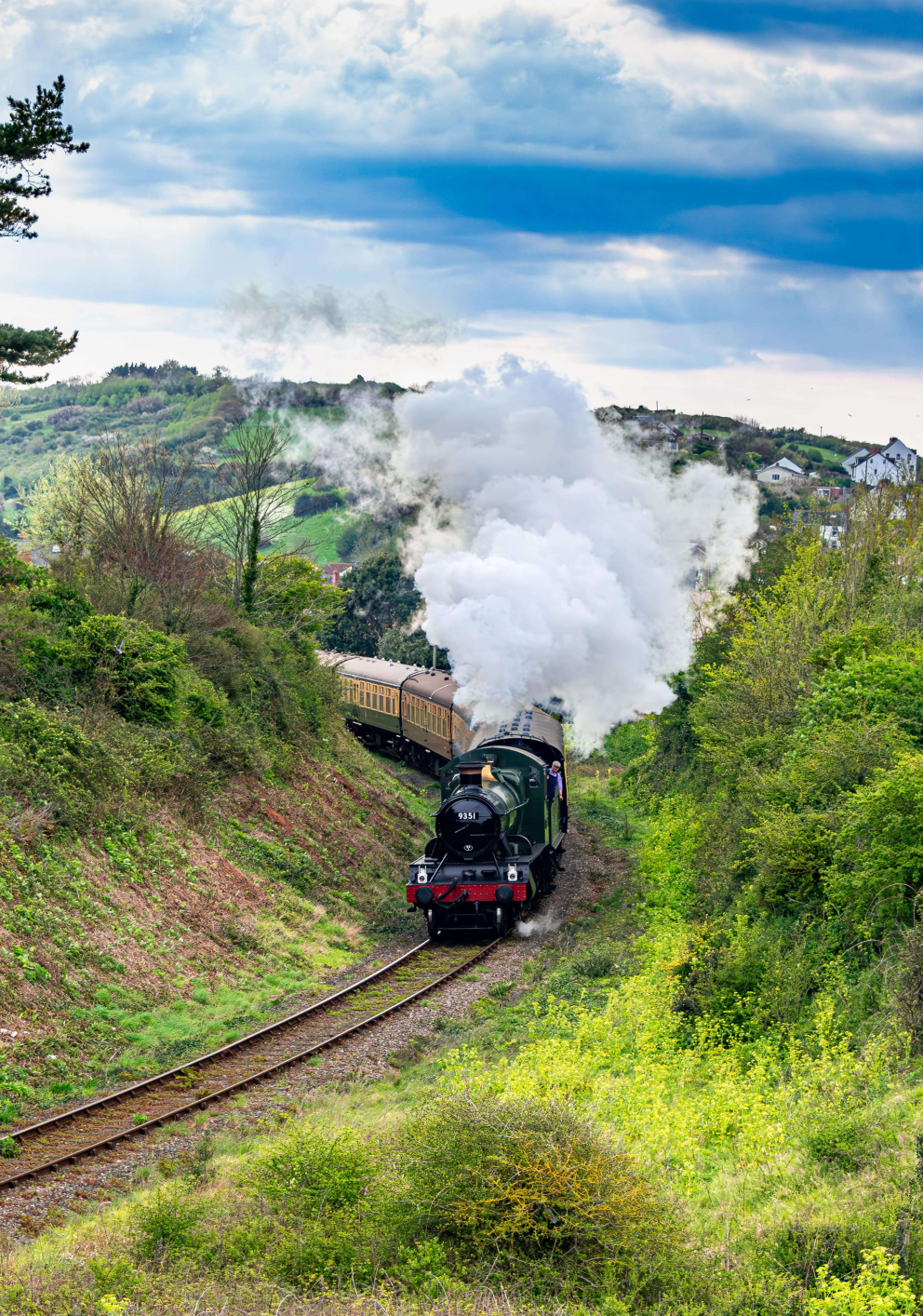
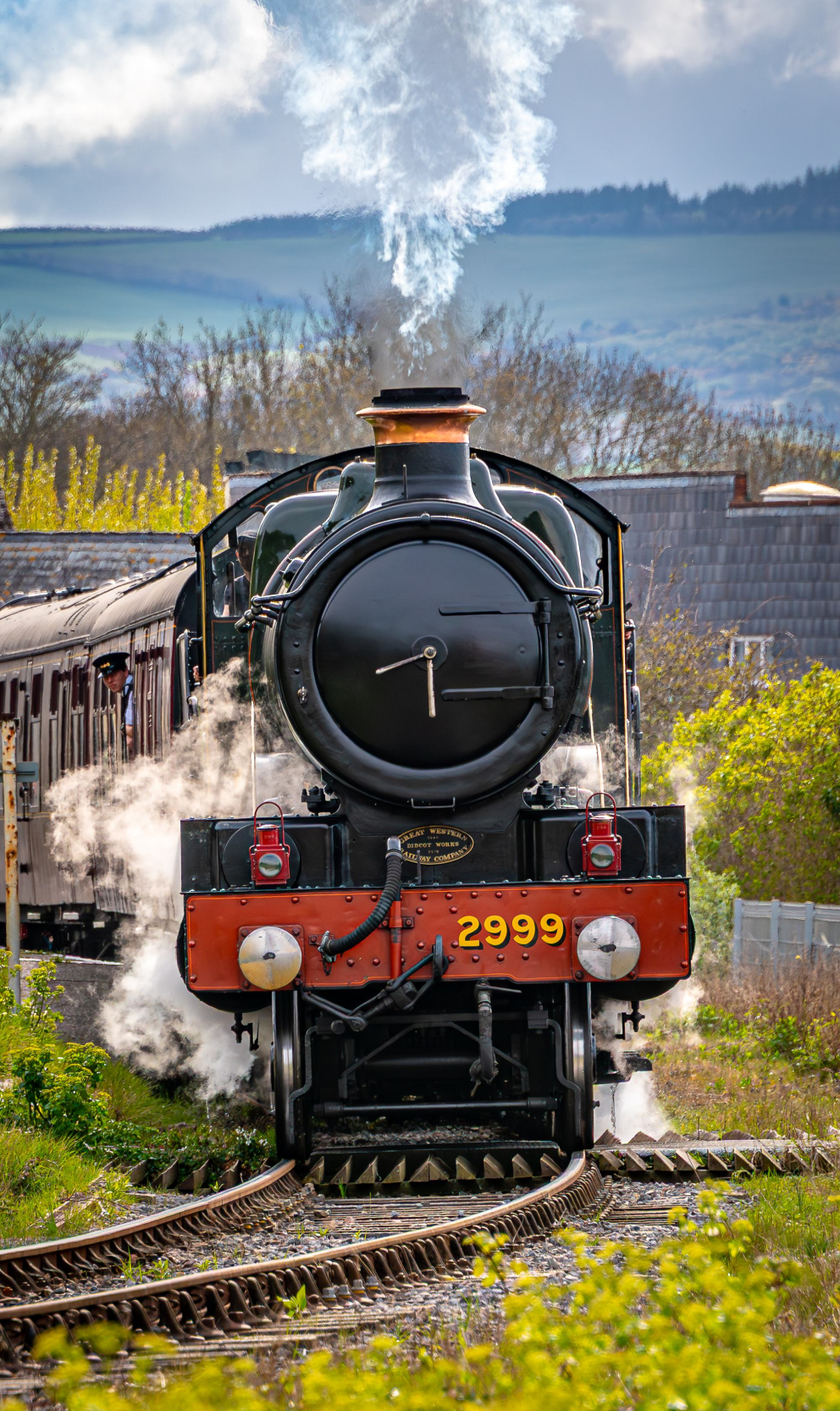
As the terminus of Brunel’s vision, the WSR opened the line in 1862. The station building is uniquely at right angles to the track, confirming that it was originally the final stop on the line. But clever Brunel left a door open for future extension of the line. Sadly, he never lived to see the completion of this line. Just 12 years later in 1874, a group of entrepreneurs banded together and extended the line to Minehead. The attraction of Watchet to the railway developers was the promise of traffic generated by the harbour, and there was a network of sidings that served the East Quay, with access controlled by a tall signal box that stood on the station platform. All these have now gone, but the former goods shed survives and now contains the Watchet Boat Museum.
The remaining buildings have been restored by volunteers, and in the ‘Pagoda’ waiting room on the platform you can see a display giving you a glimpse of how they brought Watchet Station back to life again. In the smaller ‘Lamp Room’ volunteers have tried to recreate the Station Master’s office as it may have been in the 1930s.
Before the railway arrived, the area between what is now the station car park on Brendon Road and the Boat Museum across the track on Harbour Road used to be, and is still, called The Cross. The railway had to build alternative access from the east side to the west to placate the locals: the road bridge and the passenger footbridge are the results. More than 160 years later both survive and are used daily: since the demise of the B3191 coast road, Watchet has become somewhat isolated from road traffic. The WSR provides a welcome route into the town.
At Watchet we get many visitors who are staying at Doniford.
From your holiday home there is a road walk to reach Doniford Halt. As Doniford Halt has a short platform, only the first 2 coaches will allow alighting. To board a train, you must raise your arm on the platform: the driver will see you and will halt if they can (some trains cannot stop at Doniford: check the WSR website timetable before you set out). Trains going towards the right of the platform are heading “down” towards Watchet and Minehead. You can buy your tickets on the train. If you’re travelling back there from Watchet, do tell a member of platform staff so they can advise the guard so that the driver will stop as it’s a “request stop”. It’s a long walk back if you miss the stop!
Despite the fact that there is only one platform visible, we frequently get asked which platform passengers need to be on for their return journey. Platform 1 is always recommended as there is no Platform 2.
The WSR has a single-line track along its 21 mile length. By siting “passing loops” at regular intervals rather than building a twin-track line, Brunel’s vision was much less costly in its construction. A simple but clever system of “tokens” ensures that to this day no accident has happened as a result of two trains colliding.
Watchet is in the middle section of what is normally a 3-section line between Bishops Lydeard and Minehead, with Williton and Blue Anchor being the “passing loops”. Crowcombe Heathfield can also be drafted in as a passing loop when needed, e.g. during galas.
All journeys along the WSR are normally held between the two main passing points (Blue Anchor and Williton) until the loco drivers exchange tokens. An old tried-and-trusted system of token exchanges exists between all 5 signal boxes along the line, ensuring the absolute prevention of head-on collisions between trains, so you can rest assured that you will arrive safely at your destination thanks to this time-proven “pre-digital” system.
Volunteering
If you live in or near Watchet and think you’d like to join our happy band of volunteers we would be delighted to chat with you. We are always looking for help in our shop, on platform, in our Booking Office, and gardening. Ask any member of staff.
ADDRESS
West Somerset Railway,The Railway Station,
Minehead Somerset,
TA24 5BG
TELEPHONE
USEFUL LINKS